
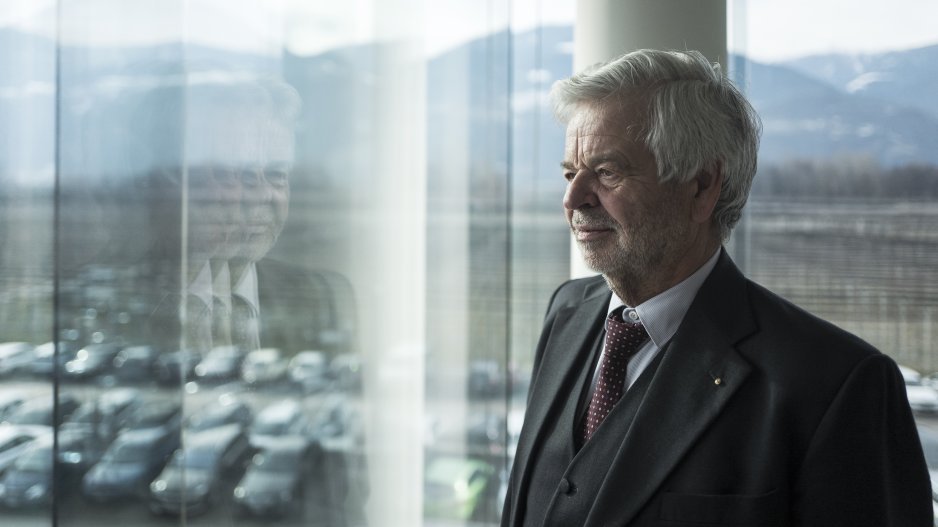
A conversation with Ulrich Ladurner
We have been supporting our customer Dr Schär in South Tyrol since 2014: an interview with the company founder.
How does it feel to have built a company which is now a global leader in its market?
“The predominant feeling is a sense of gratitude. I’m grateful to the people who embarked on this adventure with me back at the time, and also to those who continue using their commitment, their ideas and their skills to drive forward the history of Dr. Schär, both now and in the future. By this I mean not only our staff and employees but also our consumers, our business partners and the scientists who have all shaped and continue to shape the development of Dr. Schär. Yesterday’s success is not tomorrow’s success. And for that reason gratitude also includes the feeling of responsibility to continue successfully shaping the future of the company.”
Is there one success factor that hasn’t changed in all the years?
“A company won’t be successful if it only strives for size, turnover and market share – success requires a fundamental idea, a mission. The clearer that idea, the greater the success. Looking back at it all, I can say that the idea of improving the lives of people with special dietary needs was definitely the formative factor. This single thought has power and it inspires and motivates – in the past, now and in the future.”
“Communication makes trust possible.”
What role does communication play in the success of Dr. Schär?
“It’s essential! When you’re active in such a sensitive market you need the consumers’ trust in the brand, and communication makes trust possible. However, trust only grows if we are consistently honest, if we communicate truthfully. In our case there’s also another crucial dimension: we present our products in a positive light. We don’t talk about illness but about special needs that we can fulfil particularly well. That makes a difference in people’s thoughts. Communication though is also important internally, within the company. For the staff communication means leadership, and communication transports the culture of the company, its character. That, in turn, provides orientation.”
What part does the Dr. Schär name have in the company’s success?
“In 1922 the Meran doctor Dr. Anton Schär developed his “Kindergries”, which was a semolina for children, a product that helped reduce infant mortality in South Tyrol. At the time and due to malnutrition, children were exposed to high risks in their development. Dr Anton Schär recognised this situation and improved the childrens’ lives. Everything we produce today is designed to improve the lives of people with special nutritional needs. In essence, the name is so credible because it is authentic.”
“A company becomes sufficiently future-proof when it has a tangible core.”
How do you future-proof a company?
“It’s certainly a mandatory prerequisite to use resources responsibly. By this I mean the financial resources, the workforce, the capacity for innovation and much more. That alone though isn’t enough. A company becomes sufficiently future-proof when it has a tangible core, and this core is our identity. It’s a matter of preserving it and developing it at the same time. That then leads us into the future.”
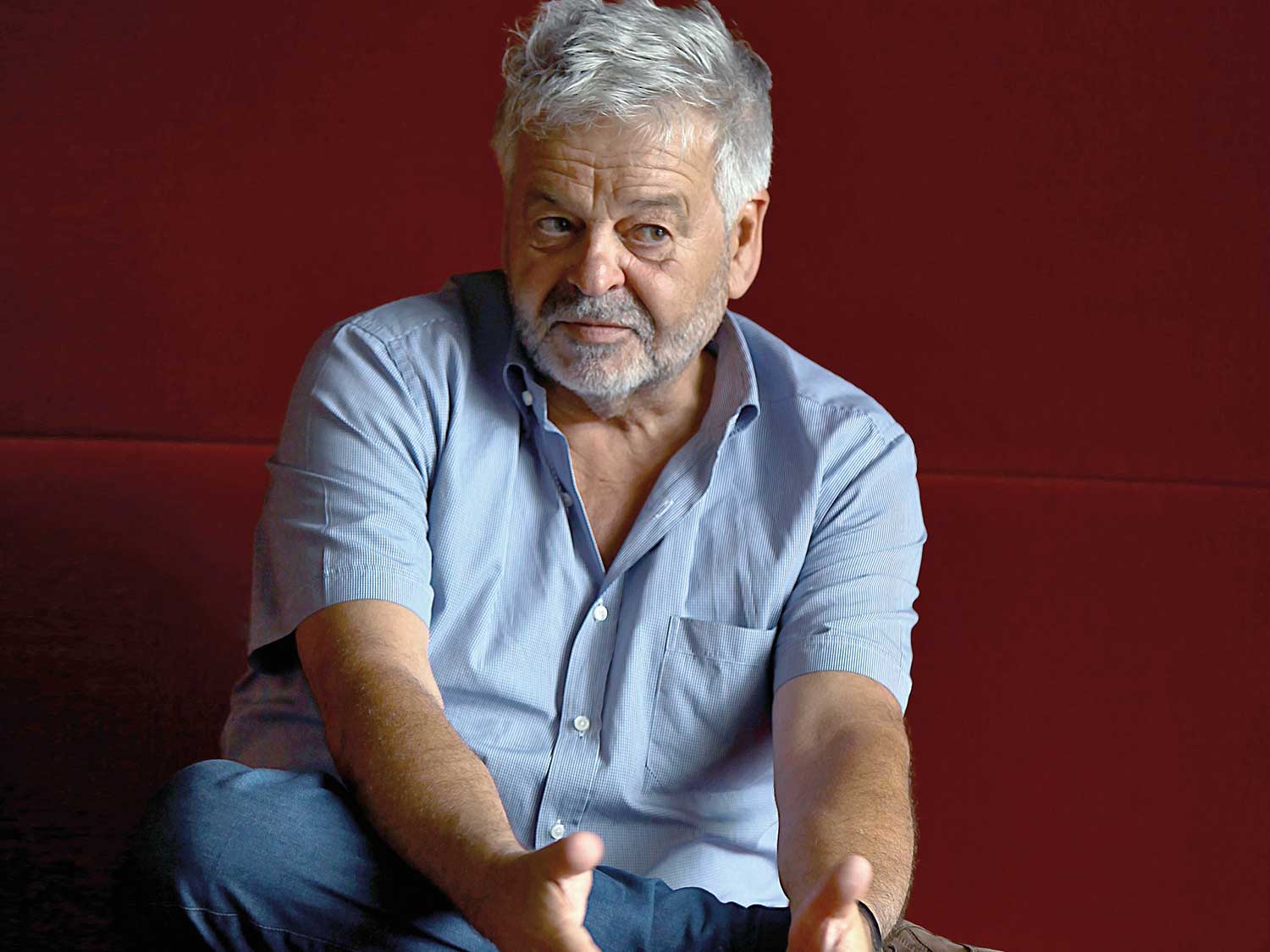
Ulrich Ladurner, born in Meran, South Tyrol in 1949, founded the Dr. Schär company in 1980 after taking over the family-run chemist’s shop. With around 1,800 employees and 18 locations in Europe, North and South America, the company is now the global leader in the market for gluten-free nutrition with a turnover of over 620 million euros. The name of the company goes back to the Meran community doctor Dr. Anton Schär who improved the nutrition of infants in South Tyrol in 1922 with “Dr. Schär’s Kindergries”. Ulrich Ladurner acquired the trademark rights to Dr. Schär in 1979.
Petershagen Communications has been active for Dr. Schär since 2015. Based on the results of an identity process, Jens Petershagen and his team advised the company on defining its mission statement, vision and values. This was also the basis for identity-based communication measures such as the film portrait of Ulrich Ladurner, a publication on corporate culture and the book “Improving Lives. Our Vision since 1922” on the occasion of the 100th anniversary of the Dr. Schär brand.
Discover more about our work for Dr. Schär here.