
How to develop a new brand identity as accident-free as possible.
Developing new branding is quite simple really, at least if you’re fully clear about yourself. That, however, is not always the case. This clarity is called corporate identity (CI), and it describes the totality of all features that go towards characterising a company. It’s also the self-consciousness of the company or organisation, and ensures a uniform image both internally and externally in terms of marketing, communication and behaviour. Branding is the visual and contextual expression of this identity.
Usually, a slight sense of unease comes about among those responsible if the desire for new branding is announced. And rightly so, because its development can perhaps be likened to open-heart surgery for the company or organisation. We also recently went through this process, and on purpose, and we emerged mainly unscathed. Quite the contrary in fact, which you can see for yourself. After all, such complex times as these require even more clarity and focus, and especially when it comes to communication. Because communication achieves orientation.
IBelow, we explain in eight steps how to achieve new branding while keeping your peace of mind at the same time.

Second step: Who’s part of it?
When developing new branding, it goes without saying that those who shape the organisation have to be involved. A view from the outside that reflects this self-perception is also equally as important. That’s why a suitable team is decisive for developing the new image, and mainly a team of people who bear responsibility for the company or organisation. This should be supplemented by experienced external specialists who place their finger in the wound, asking the right questions. Us, for example.

Third step: Who am I?
Clarifying one’s own identity is the most important step in the positioning process. Apparently there are companies that, even after many years of business, have never asked themselves where they come from, where they want to go, what they’re particularly good at and who they actually are. They’re simply successful. They still are. In our case, a common thread ran through the work we did for our clients, regardless of whether it concerned strategic communications consultation, crises, creative ideas or implementing specific measures. The feedback we received after almost 20 years can be summarised as follows:
“You’re the ones for the sensitive situations.”

Fourth step: What have I got to say?
The messages: always underestimated when developing new branding, at the same time being the actual content-related challenge. Which topics do statements refer to? And what are those statements? From which perspective and in what tonality? Short sentences or longer ones? And who are we actually addressing? – In terms of content it quickly becomes apparent whether clarifying the identity has covered all the relevant aspects. If that’s the case, then good texts are created.
By the way: good content and good copy are not the same thing. It’s certainly good if you know professionals who understand you and who can put what you want to say into letters and words. And it’s no coincidence that these professionals call themselves copywriters – copy that…


Fifth step: the design.
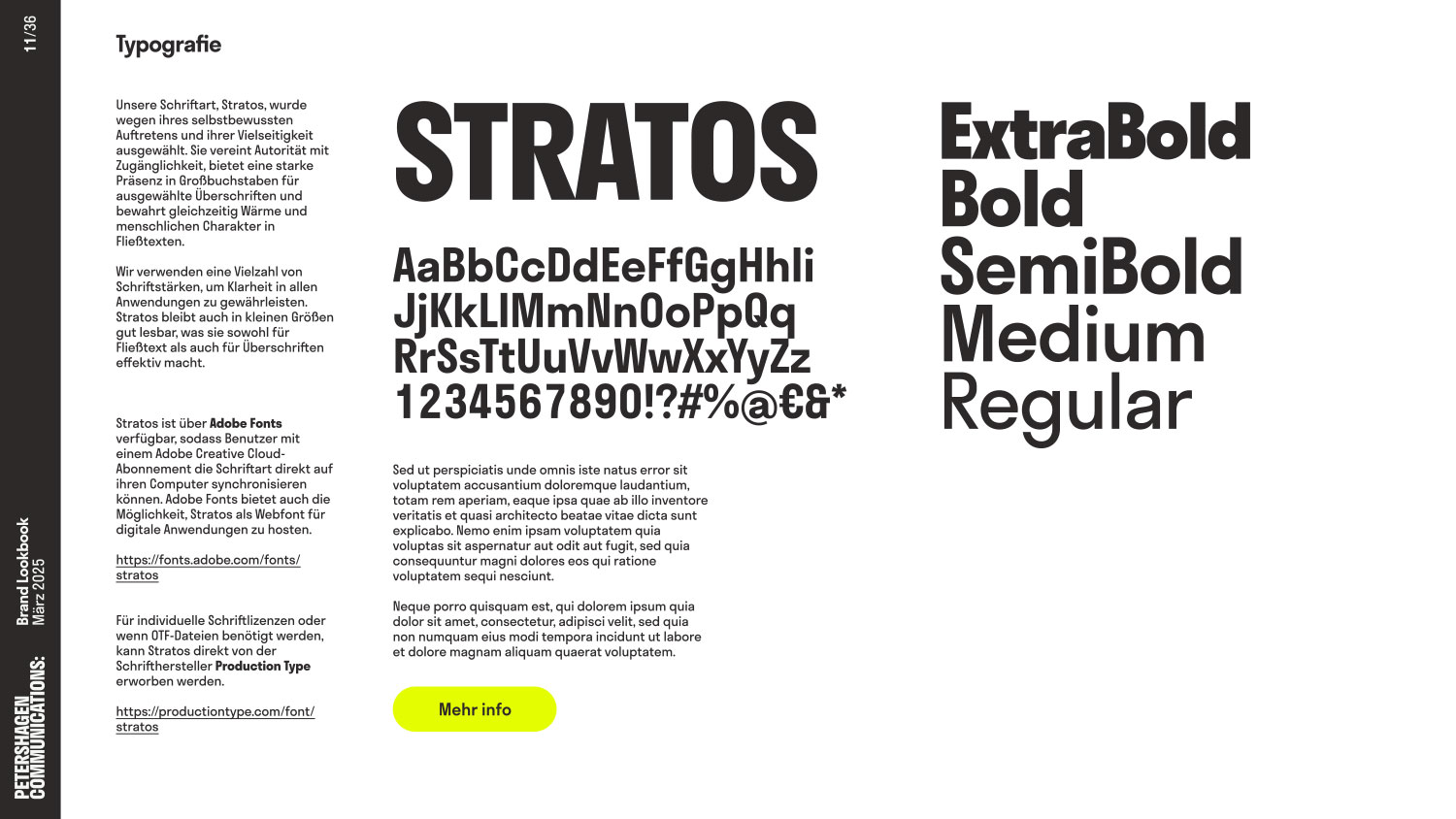
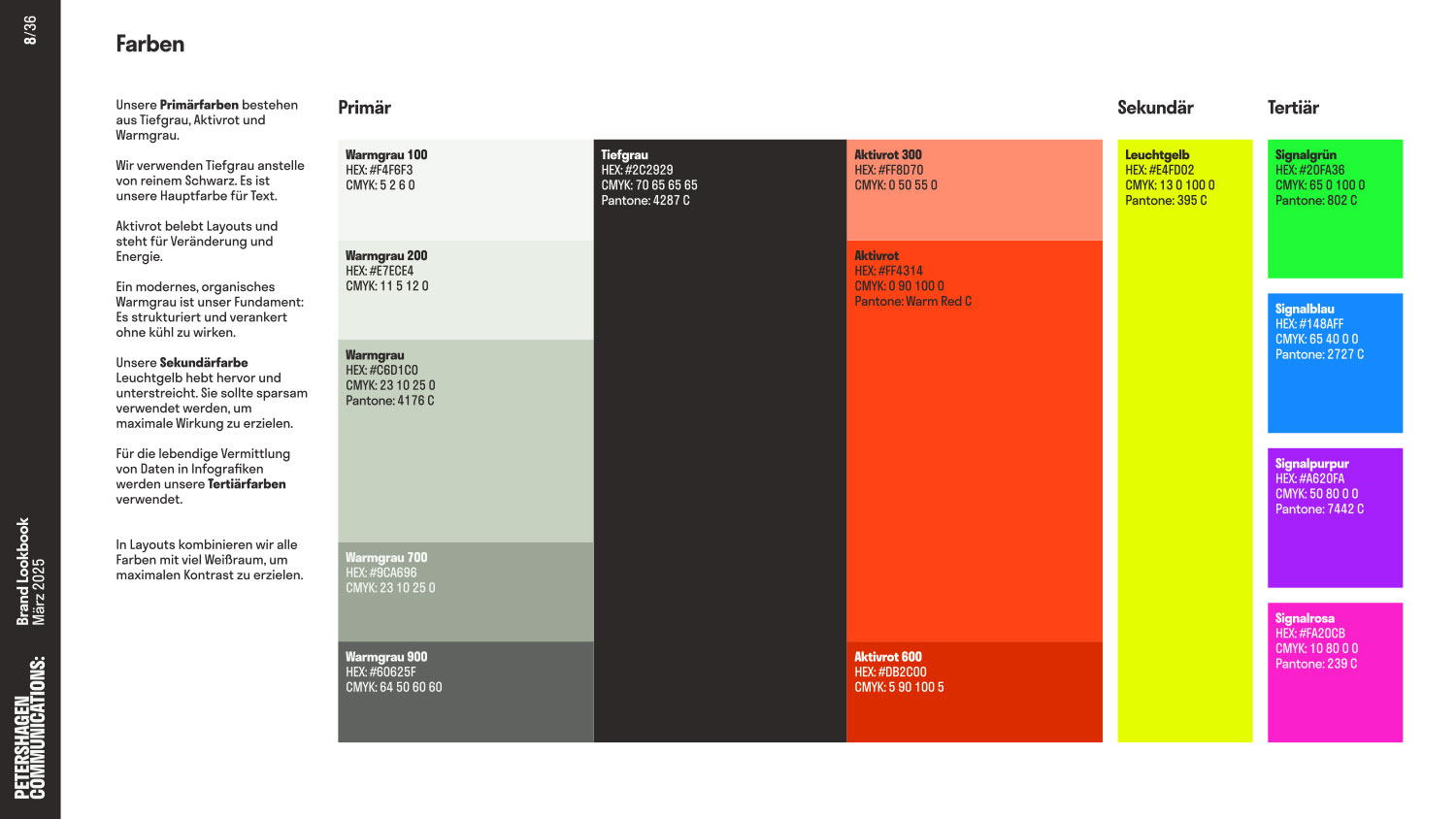
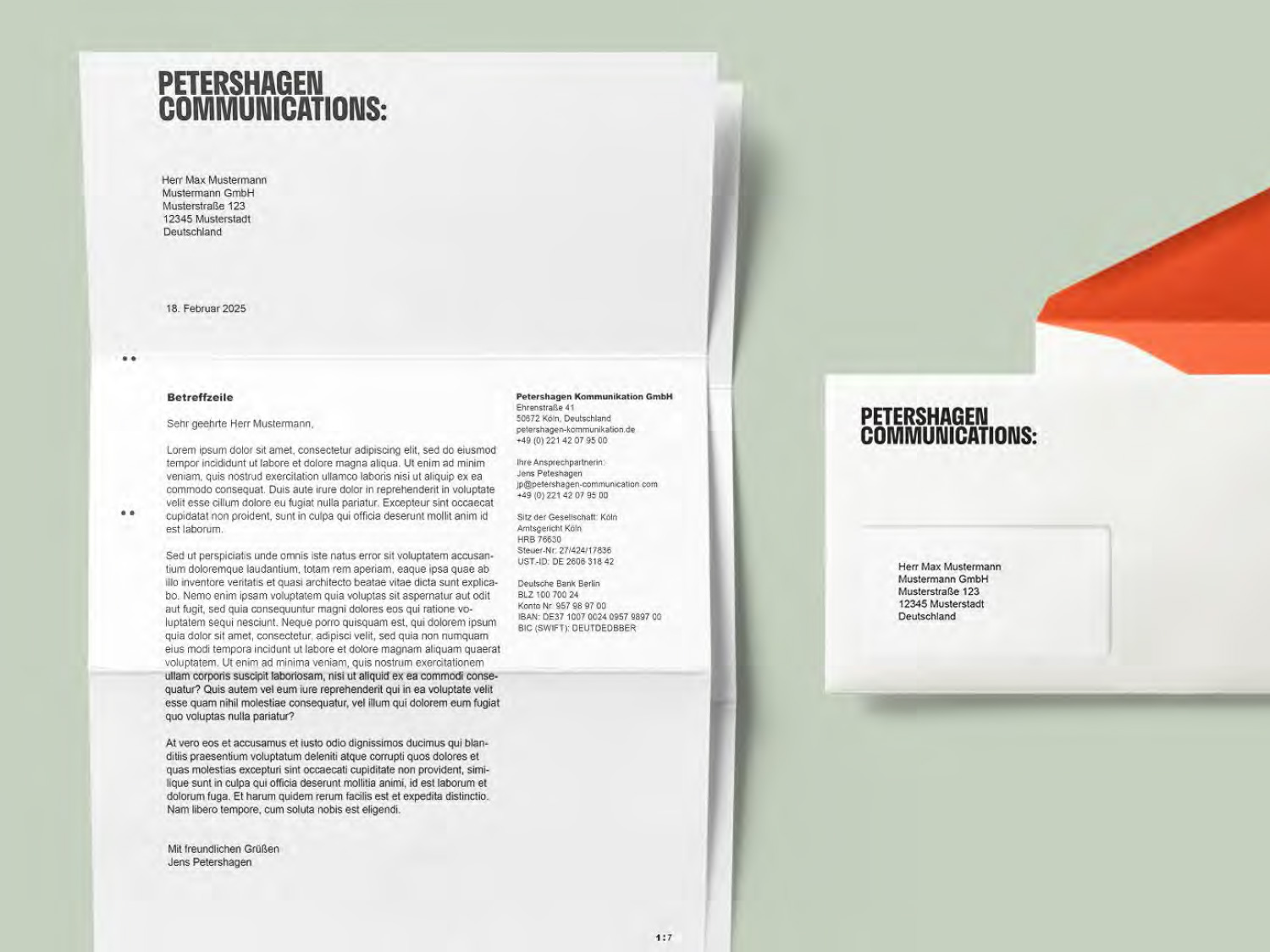
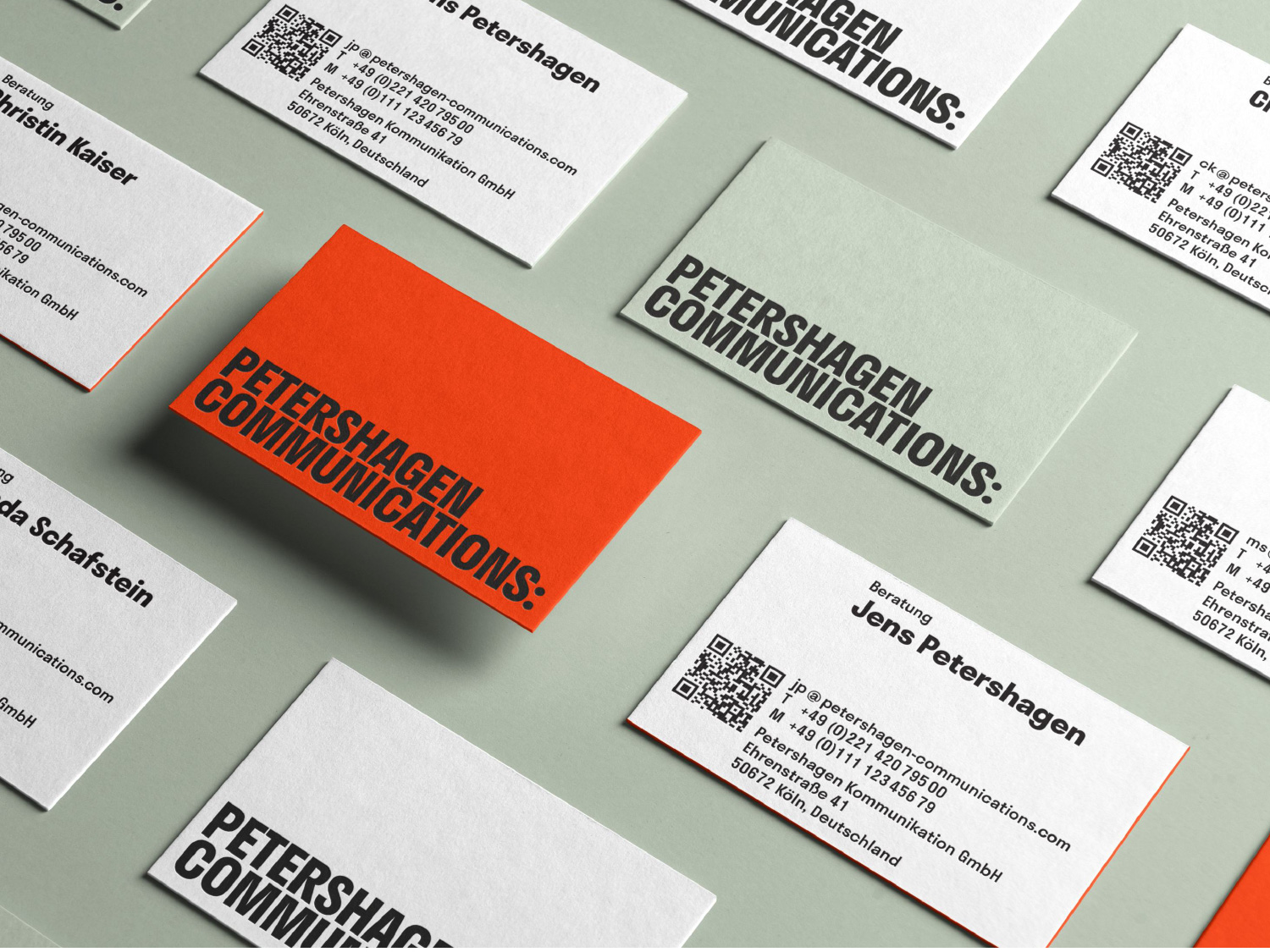
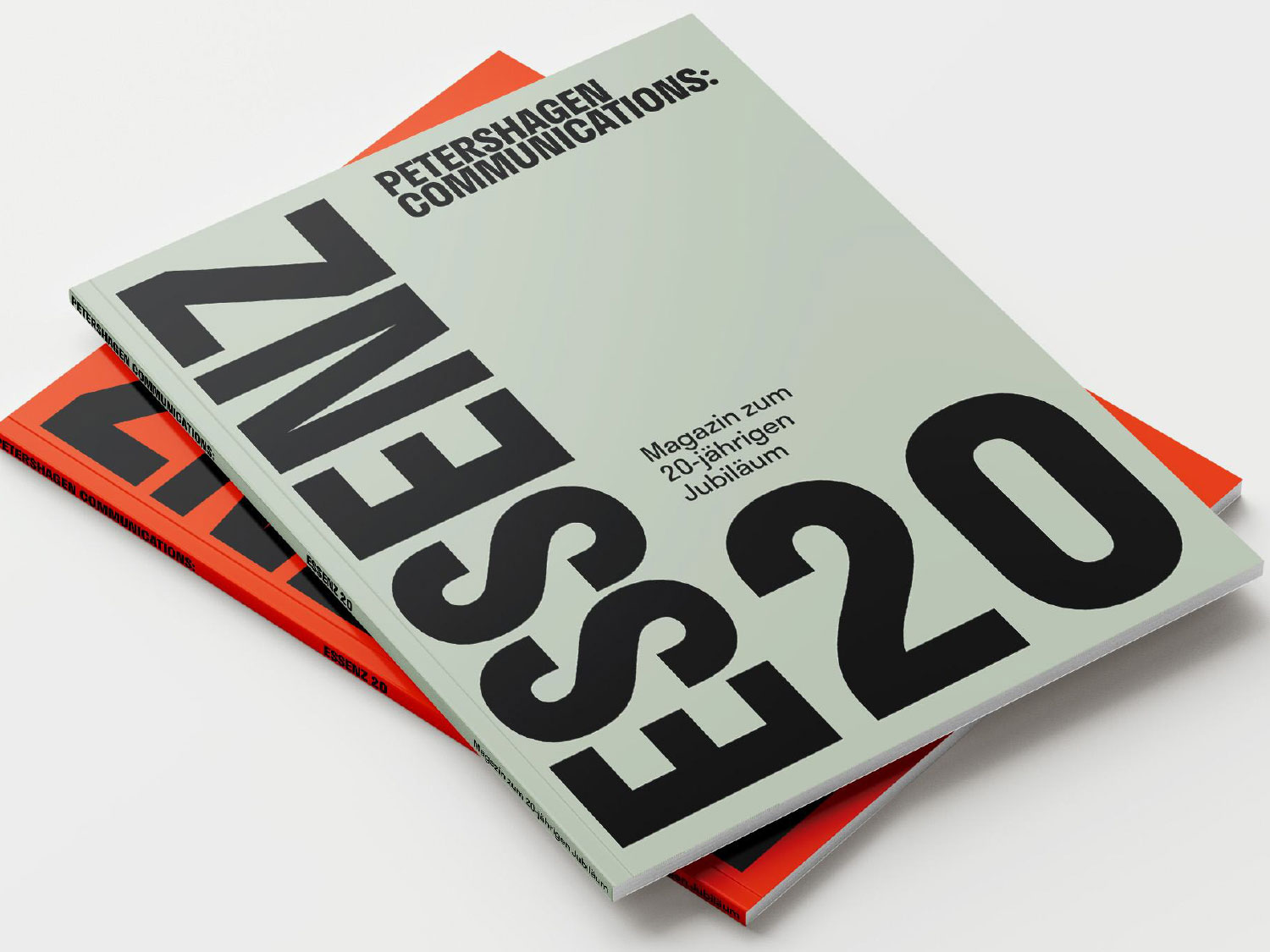
Visual information is perceived much faster than text, videos or spoken language. That’s why the design is so important. Design is made up of all the visible elements that go towards establishing a brand, such as the logo, colours, typography, imagery, shapes and design of communication media (for example the website, business stationery and so on).
By the way: there are specialists for such jobs! Steer clear of Canvas, Photoshop or your niece who makes such gorgeous greetings cards. For the specialists to be effective though, they need to be properly briefed – see the third step.

Sixth step: the photography.
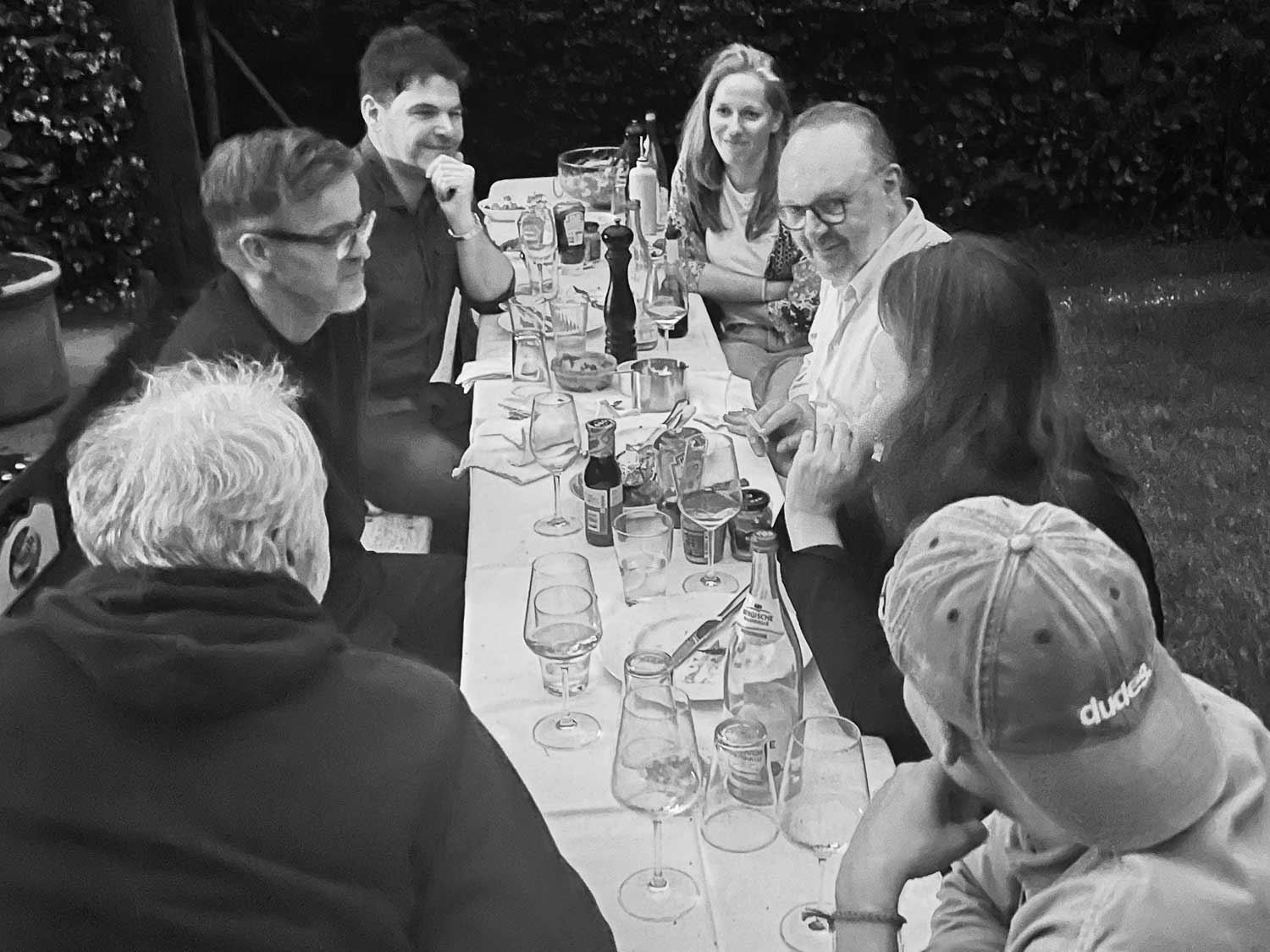
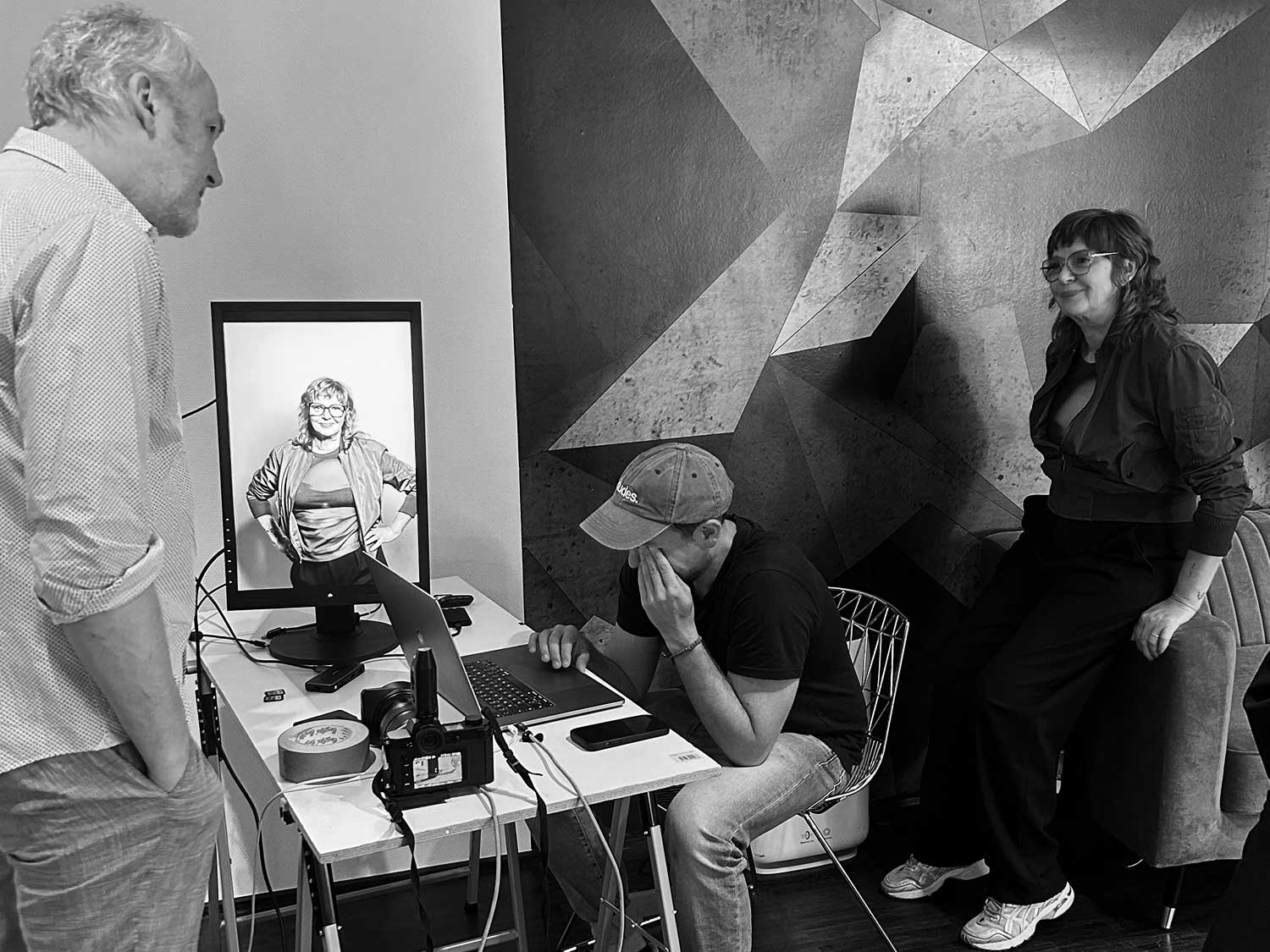
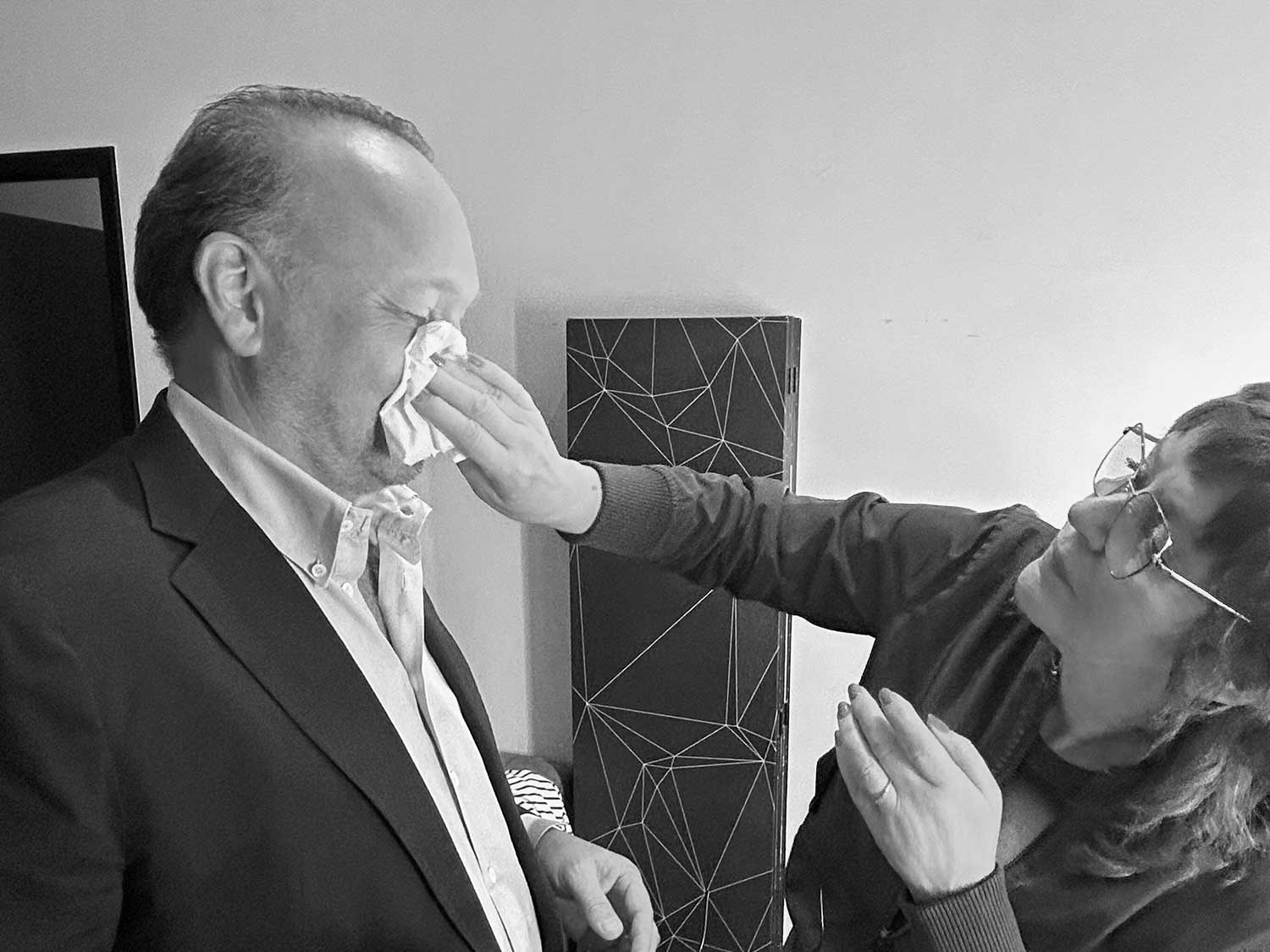
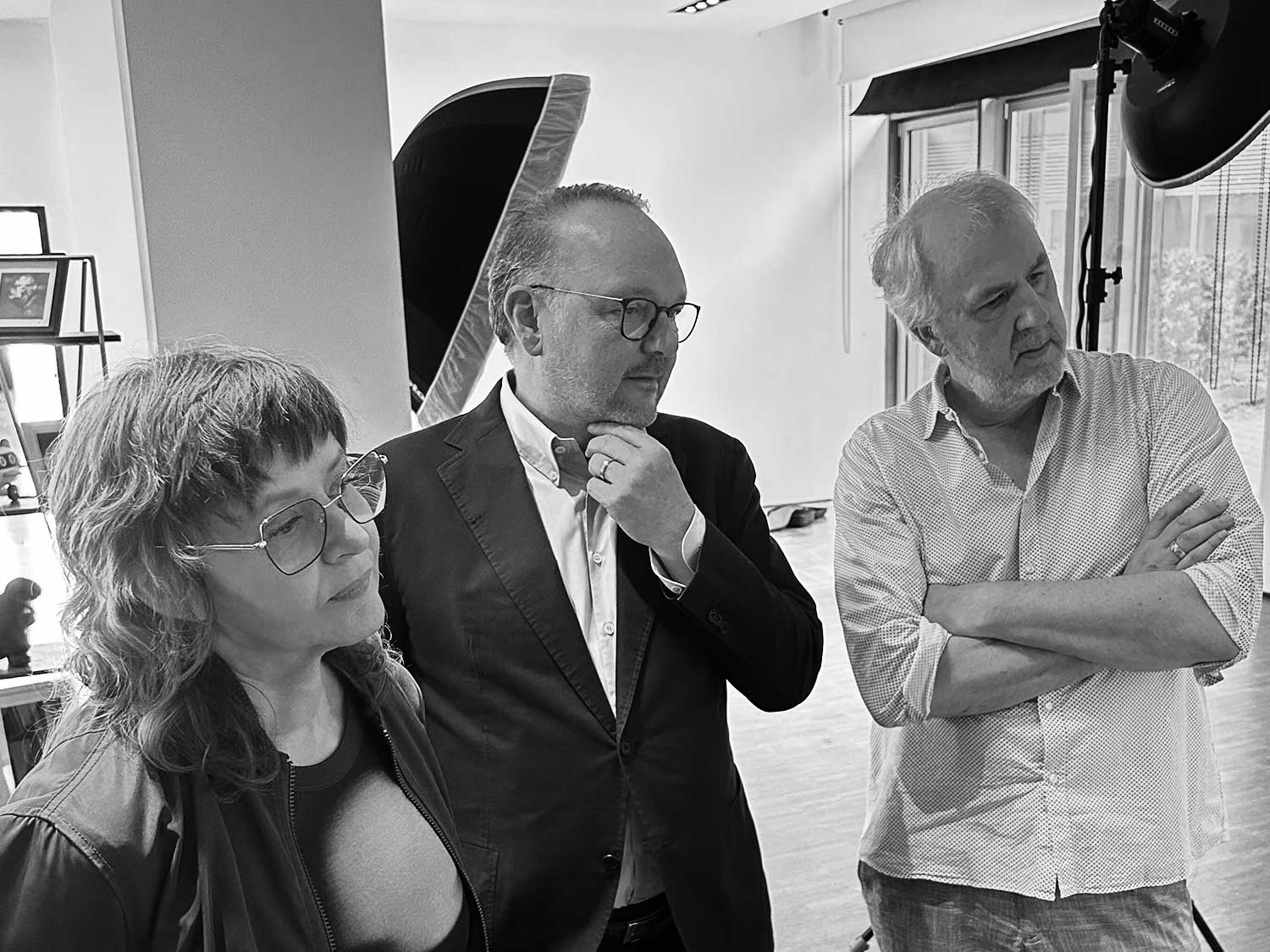
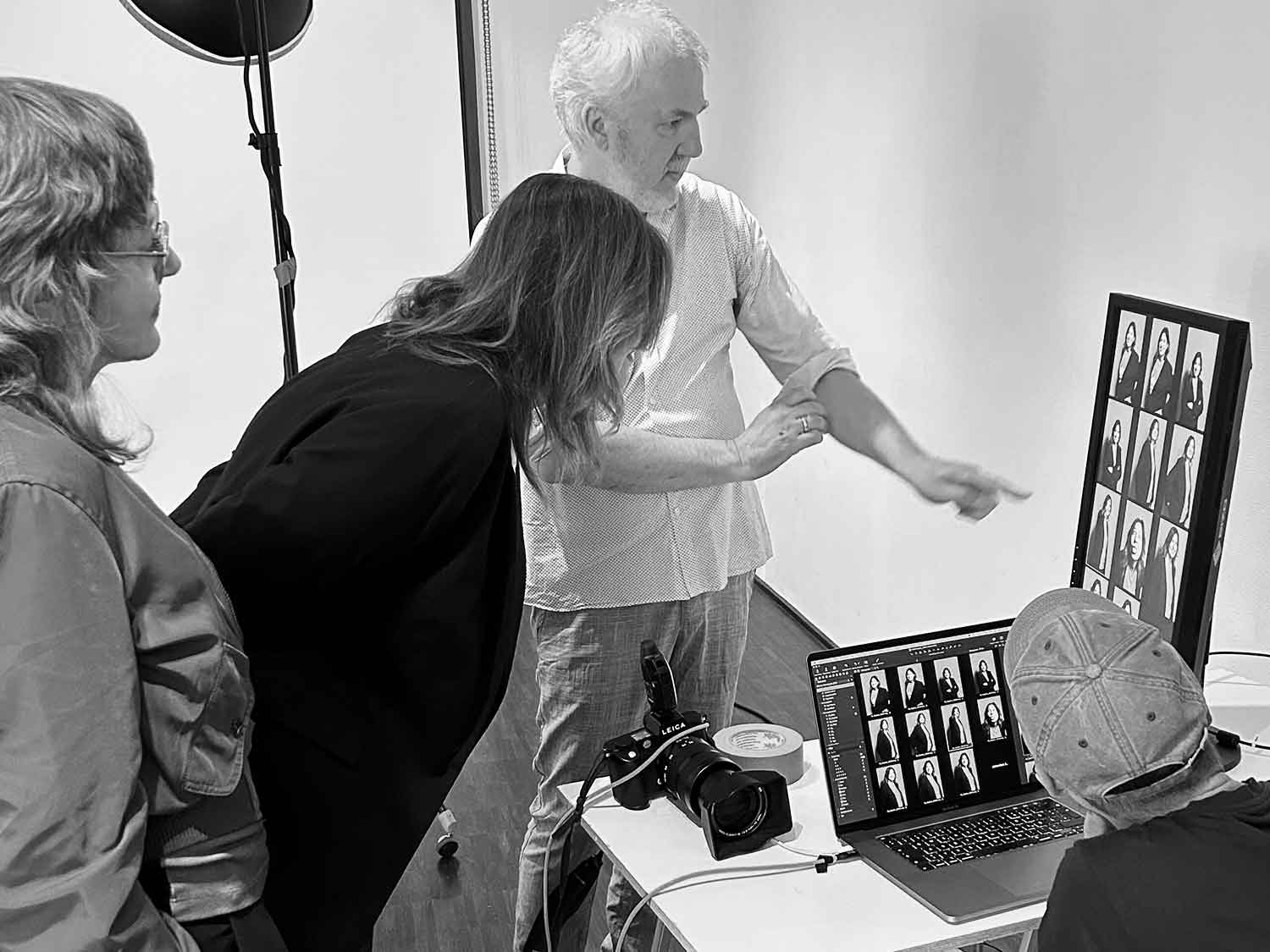
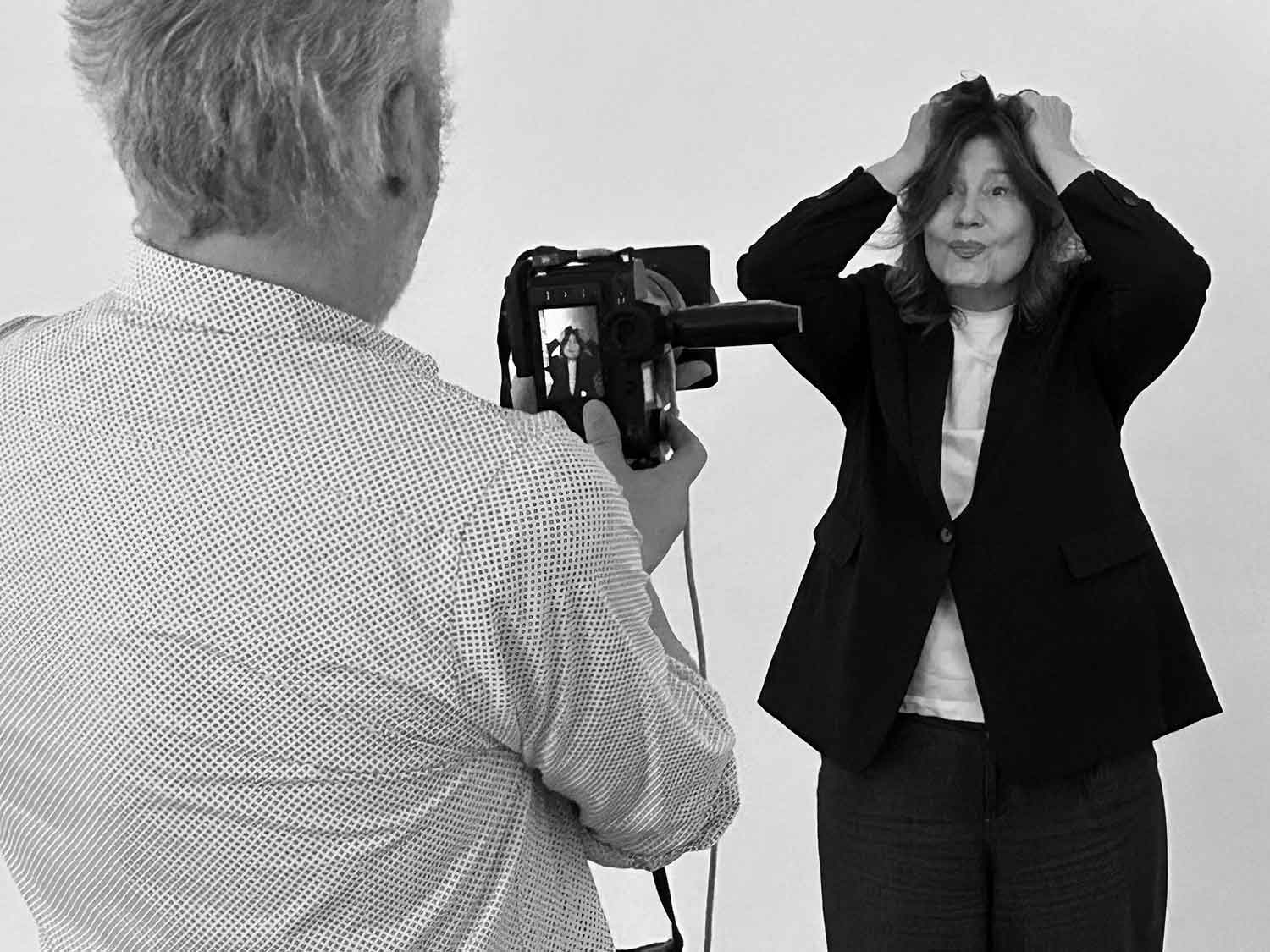
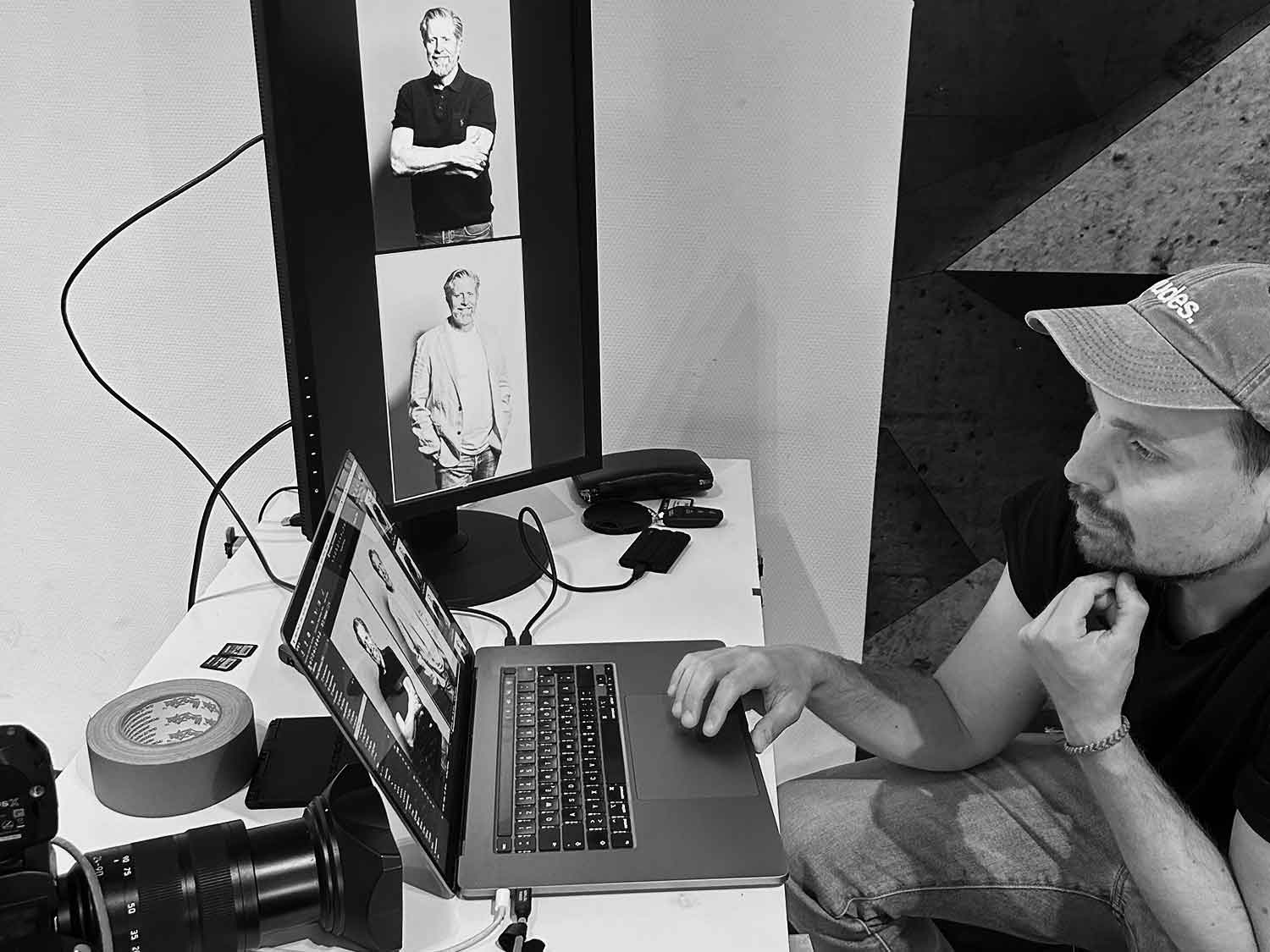
People want to see people. Go for a professional who understands you and presents you in a way that fits your identity. We treated ourselves to Axel Martens (known from e.g. the SZ magazine category “Sagen Sie jetzt nichts.”). Because he’d already got to know us in a client project we’d previously done together, he was able to show us as we really are. He’s also a great guy to have around. Just like Moritz in fact, who did the lighting.


Seventh step: the sideshow.
Everything that’s shown, printed, filmed and spoken is determined by the new self-image, which is expressed in the look and appearance. This also applies to the work examples presented in the newly designed framework. Not so easy in our case, because it’s not appropriate for us to publicly talk about several projects. It makes us all the more pleased that so many of our clients were open to showing examples of what we did for them on our website.

Eighth step: patience.
New branding is supposed to be durable. This means, in terms of the development, quality takes preference over time, and it definitely pays off. We were quick: our new website is already up-and-going around six months after the kick-off, including our new name, the new website, new business stationery and lots more besides.

First step: allow yourself to be guided.
Let the experts help and support you. For example by us. Developing new branding is the ideal chance to review and strengthen the identity of a company. No energy is more powerful than that which flows from your identity. We specialise in asking the questions that are necessary to work out this core. This is a lot of fun and leads to an appearance that draws like a magnet from the future.
With best wishes,